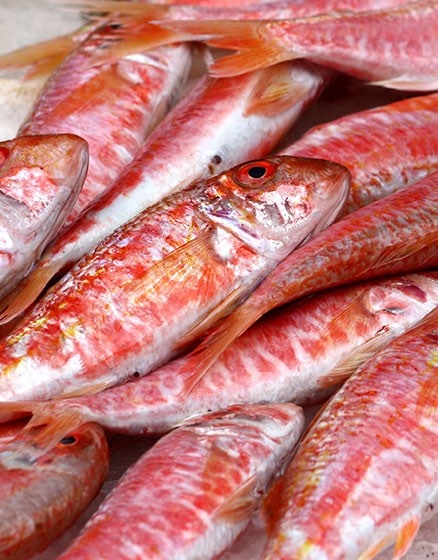
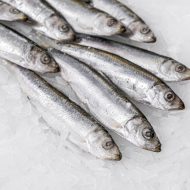
Why Buy Frozen Mullet?
Frozen mullet makes sense when you want control: consistent portions, predictable results, and less waste. Freezing is basically quality-control you can buy—because the product is stabilised at a specific point in time, then held there until you’re ready to use it. That means you can stock the cut you actually cook with, not whatever happens to be on a counter that day.
“Fresh” can be excellent, but the label doesn’t stop the clock. Time adds up through landing, grading, transport, storage, and the final stretch to your fridge. Even with a good cold chain, freshness is a moving target. Frozen, by contrast, is a deliberate decision to lock in condition at the moment it’s processed—so you’re buying repeatability, not guesswork.
On frozenfish.direct, mullet is described as being processed and frozen within hours—and for some lines, the site states within 3 hours of being caught. That speed matters because it shortens the window where texture softens, moisture shifts, and flavour drifts. It also makes planning easier: you can keep fillets, portions, steaks, or whole fish ready for the week ahead, then take only what you need.
- Freezing slows spoilage.
- Cold storage preserves texture.
- Vacuum packs reduce air exposure.
- Portions reduce waste.
- Consistent weights improve cooking.
The buying payoff is simple: frozen mullet helps you match cut + weight + timing with fewer compromises. You get the same spec each time, tighter portion control, and a more reliable finish—without having to build your week around a fish counter.
Choose Your Cut
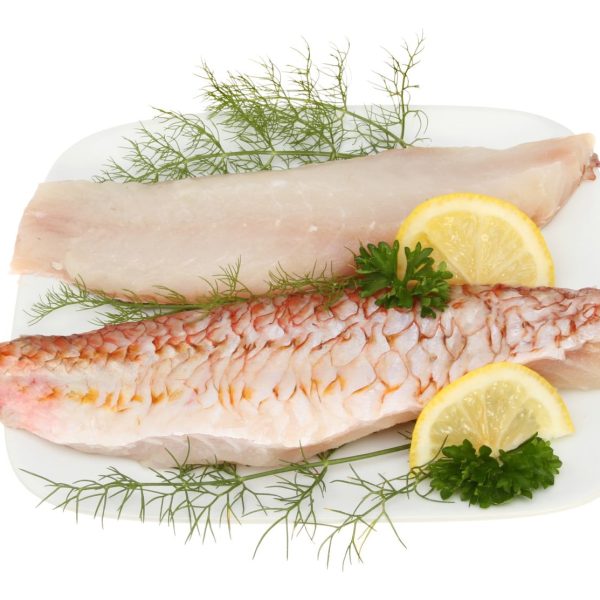
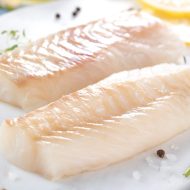
Fillets
Frozen mullet fillets are the all-rounder: clean, versatile, and easy to build meals around. They suit a quick midweek rhythm because you can go straight to the method—pan-fry for a crisp skin finish, or oven-bake for a hands-off result. Fillets also give you the best surface area for things like a light dusting, a simple glaze, or a fast butter baste, without turning prep into a project.
Portions
If you want speed and consistency, choose portions. They’re cut to predictable sizing, which makes portion control simple—especially when you’re cooking for different appetites or keeping meals measured. Portions also help with repeatable results because thickness and weight are more uniform, so your cook time doesn’t swing wildly from pack to pack. This is the practical option when you want “same plate, same result” on a busy week.
Steaks
Mullet steaks are for cooks who like a cut that holds its shape. Because the steak is cross-cut, it’s naturally more tolerant of high heat and direct contact—great for a hot pan or a grill where you want a confident sear without the fish flaking apart too early. Steaks also work well when you want the centre to stay juicy while the outside picks up colour and texture.
Whole side or large fillet
A whole side or large fillet is the entertaining and batch-prep choice. It gives you the freedom to slice your own portions to the thickness you like, and it suits projects like hot smoking, cold smoking, or oven-roasting a single impressive piece. If you’re feeding a table or doing weekly prep, this cut lets you portion after cooking, or cut to spec before you start.
Whole gutted fish and speciality lines
A whole gutted mullet is for people who want to prep it themselves—think breaking it down into fillets, slicing into portions, or roasting it whole for a classic presentation. Depending on the product, you can work with the backbone, trim the pin bones, and portion to suit your pan or tray. If speciality items are stocked—such as smoked or cured mullet, or sashimi-style cuts—treat them as ready for specific uses: quick plating, defined applications, and minimal extra handling.
Pick the cut that matches your pan, your timing, and your appetite.
What Arrives at Your Door
When you buy Frozen Mullet online, the biggest question is always the same: “Will it stay properly frozen in transit?” Our packing is built around that exact problem, and it’s treated like a cold-chain job, not a normal parcel.
Dispatched by DPD overnight courier. That matters because speed is part of temperature control: the less time your fish spends in the delivery network, the less opportunity there is for unwanted warming. Each order is packed with dry ice in a polystyrene insulated box, which is the practical one-two punch for frozen seafood. The polystyrene insulation slows heat transfer from the outside air, while the dry ice maintains a deep cold environment inside the box as it naturally dissipates. In plain terms: it helps keep your mullet frozen during transit, so what turns up feels like it came from a proper freezer, not the back of someone’s car.
We keep delivery expectations accurate and simple. Orders placed before the stated cut-off are prepared for next working day delivery on eligible days, and the checkout calendar controls the valid delivery dates you can select. That means you’re not guessing whether a weekend, bank holiday, or non-service day will interrupt the journey—if it can’t travel correctly, it won’t be offered as an option at checkout.
Here’s the “what to do first” flow, kept boring on purpose because boring means reliable: when your box arrives, open it promptly, lift the fish packs out, and move them straight into your freezer. Then follow the on-pack storage guidance for the specific product you’ve bought, because different cuts and pack formats can have slightly different handling notes.
A quick word on dry ice, without the drama: avoid direct skin contact, keep the area ventilated while you unpack, don’t seal dry ice in an airtight container, and keep it away from children and pets. Once the fish is in your freezer, you’re done—cold chain maintained, confidence restored.
Label-First Transparency
Buying mullet online should feel as clear as reading a fishmonger’s ticket—just with better consistency. That’s why each item in our Frozen Mullet range is built around label-first details you can actually use, not fluffy claims you can’t verify.
On every product page you’ll see the practical buying fields upfront: the cut (fillet, portion, steak, whole side/large fillet, whole gutted fish), the weight or pack size, and—where it applies—whether it’s skin-on or skinless, and boneless or pin-boned. Those fields aren’t “extra info”; they’re the difference between ordering with confidence and ordering with crossed fingers. You’ll also see whether the fish is wild or farmed where applicable, so you can choose based on your preference and how you like mullet to eat.
Some details naturally vary from item to item, especially when you’re dealing with different supply lines and species types. Where origin or catch area isn’t fixed across the whole category, we don’t pretend it is—those specifics are shown on the product details for the exact pack you’re buying. Same principle for anything that affects real-world use: it lives at product level, where it can be accurate.
Allergen clarity is treated the same way: fish is clearly flagged on every mullet product, and for any smoked or cured lines, the ingredients are listed so you know exactly what’s in the pack.
Cut drives cooking. Weight drives timing. Skin drives texture.
Origin informs preference. Method informs fat level. Pack size informs value.
Bones change prep. Pin-boning changes convenience. Portioning changes waste.
If you’re comparing two mullet options, these are the fields that let you do it cleanly—quickly, and without guessing.
Storage and Defrosting
Frozen mullet is at its best when you treat it like a well-kept ingredient, not an emergency backup. The two enemies are warmth and air exposure—warmth nudges quality downhill, and air dries the surface out and invites freezer burn. Keep your mullet properly frozen until you need it, and if it’s vac packed, leave it sealed for storage because that tight pack helps protect flavour and firmness. In the freezer, make it easy on your future self: keep packs flat, avoid crushing, and rotate stock so older packs move forward and get used first.
For defrosting, the calm default is a fridge defrost. It’s slower, but it’s kinder to the flesh and usually gives you the cleanest texture. Keep the fish contained as it thaws—still in its pack where appropriate, or placed in a dish—so you can manage drip loss without making a mess or letting the fish sit in liquid. That drip matters: too much liquid around the fillet can push the texture towards “watery” or “soft” instead of clean and firm.
Once defrosted, a small move makes a big difference: pat dry before cooking. Mullet can sear beautifully, but surface moisture is the enemy of colour and crisp edges. Drying the outside helps you get a better pan contact, especially with skin-on pieces where you want that skin to tighten and take on texture rather than steam. If you’re working with pin-boned fillets or neatly portionable pieces, this is where the prep feels easiest—less fuss, more control.
Mullet’s texture can be delicate when over-handled, but it isn’t fragile. If a cut is a bit fattier, it tends to forgive heat a touch better and stay pleasant even when you push for a stronger finish. Leaner pieces reward a lighter hand and a clean, dry surface.
On refreezing: stay conservative. If you’ve defrosted and you’re unsure how long it’s been out of deep cold, don’t refreeze. When in doubt, cook it instead and follow the on-pack instructions for the specific product you bought.
Cooking Outcomes
Crisp skin (skin-on)
Start with a properly dry surface—moisture is what makes skin go leathery instead of crisp. Use a hot pan, add a little fat, lay the skin-on mullet down and leave it alone until it releases naturally; if it’s sticking, it’s usually not ready. You’re looking for skin that turns opaque, tightens, and sounds a bit “sizzly” rather than steamy, with the flesh whitening up the sides as heat climbs. Finish gently so the centre stays juicy: once the skin is crisp, ease the heat or flip briefly just to kiss the flesh side. Dry surface equals better sear. Gentle finish protects moisture. Resting evens temperature.
Oven-roast fillet
Oven roasting is the reliable option when you want even cooking and clean texture. Place the fillet so hot air can circulate and aim for cues rather than a stopwatch: the flesh turns opaque, separates into neat flakes, and springs back lightly when pressed. Pull it just before it looks “done-done”—carryover heat finishes the job and helps avoid that dry, chalky edge. A short rest lets the surface settle so it stays moist when you plate or portion.
Pan-fry portions
Portions reward a gentler approach because they’re often more uniform and easier to overdo. Use moderate heat and focus on control: the fish should turn opaque steadily, not aggressively bubble or toughen at the edges. When it’s ready, the centre should look moist but not raw, and the flakes should separate cleanly with light pressure. Slide the portions off the heat and rest briefly so juices redistribute instead of running out on the first cut. Thickness changes timing. Fat content changes forgiveness. Skin changes crisp.
Grill steaks
Mullet steaks can take higher heat and hold shape better, making them genuinely grill-ready. Go in with confident heat, watch the edges for the “tell”: they turn opaque first and firm up while the middle stays slightly yielding. If the outside is colouring fast, move the steak to a gentler spot to finish without squeezing out moisture. You want a centre that’s juicy and just set, not tight and dry—stop when it still has a little softness and let resting finish the equalisation.
Cured, smoked, or sashimi-style mullet products have different handling expectations—treat them according to the product details rather than cooking them like raw fillets or steaks.
Nutrition Snapshot
Frozen mullet sits in a useful middle ground: it’s a protein-rich oily fish with a flavour that holds up in the pan and enough natural fat to stay forgiving if your timing isn’t perfect. Like other oily species, mullet is commonly associated with omega-3 fats, but it’s worth keeping expectations tidy—nutrients vary by species, cut, season, and whether the fish is wild or farmed, so the most accurate view is always the product details for the specific item you’re buying.
From a practical buying point of view, “oily” doesn’t mean greasy. It usually means a richer mouthfeel and a texture that stays firmer when cooked well, rather than turning dry and brittle. That matters when you’re choosing between a quick midweek portion and a bigger piece for sharing: fattier cuts tend to forgive heat a little more, while leaner pieces reward a gentler finish. If you like crisp skin, skin-on mullet can deliver that contrast—crackly outside, juicy centre—without needing heavy sauces to feel satisfying.
None of this is a magic ticket to anything. It’s simply a solid food choice that fits easily into a balanced diet, whether you’re building a straightforward weeknight plate or planning something a bit more special. The smart move is to match the cut to the outcome you want—leaner for a cleaner bite, richer for more cushion—and rely on the product listing for the specific details that matter to you.
Provenance and Responsible Sourcing
Provenance matters, but only when it’s clear enough to act on. That’s why we keep this section simple: we show method and origin details per product so you can choose what fits your preferences. Mullet isn’t a single, uniform supply chain. Different species, different fisheries and farms, different catch areas, and different handling methods can sit under the same familiar name—so the honest way to shop is at SKU level, not with sweeping category promises.
In this category you may see a mix of options depending on what’s in stock: farmed mullet, wild mullet items, and a range of formats such as mullet fillets and larger cuts. You may also find speciality lines like smoked or cured mullet, which come with their own ingredient lists and processing notes. Each product page is where you’ll find the practical information that lets you decide with confidence: where it’s from, how it was produced or caught (when applicable), and any additional ingredients for smoked/cured items. If a detail varies by item, we don’t blur it into a vague promise—we show it where it belongs, on the listing you’re actually buying.
This approach is deliberate. It prevents “ethical fog” where everything sounds good but nothing is checkable. It also respects that preferences differ: some customers prioritise a particular origin, some care most about production method, and some just want the cut that cooks best for their plan.
Provenance supports preference. Clear labels support trust. Evidence supports claims.
Frequently Asked Questions
Is frozen mullet as good as fresh?
It can be—because the real comparison isn’t “fresh vs frozen” as labels, it’s time and handling vs a locked-in moment. “Fresh” fish can be excellent, but it still has a clock running from catch through processing, transport, storage, and the final trip to your kitchen. Frozen fish is different: it’s about taking a good piece of mullet at a known point in its life and stopping that clock, so you’re cooking something that hasn’t been quietly ageing in the background.
Texture and flavour are where people notice the difference, so it’s worth being honest. Freezing itself doesn’t “ruin” fish, but mishandling can. If fish is exposed to air, you’ll see dehydration and dull patches (classic freezer burn). If it’s defrosted too aggressively or left sitting in its own meltwater, you can get a softer, wetter bite from drip loss. The fix is boring but effective: good packaging that limits air exposure, and calm defrosting that protects the flesh. Done properly, mullet keeps its clean flavour and cooks with the firmness you expect—especially in cuts that are naturally more forgiving.
That’s also why how a supplier runs the cold chain matters. At frozenfish.direct, mullet is processed and frozen within hours to hold a point-in-time quality, then dispatched by DPD overnight courier in a polystyrene insulated box with dry ice, designed to help keep it frozen on arrival. In other words: the aim is consistency—less temperature drama between the freezer and your pan.
For choosing what to buy, match the cut to the job. Portions are the midweek workhorse: predictable sizing, quick cooking, easy planning. Steaks are better for higher-heat cooking like grilling because they hold their shape and tolerate a harder sear. A large fillet or whole side suits entertaining, smoking, or slicing your own portions when you want control over presentation.
If you want predictable results, frozen is the easier way to make Mullet a routine.
How do I defrost frozen mullet without it going watery?
“Watery” mullet is usually drip loss—the liquid that leaves the flesh as ice melts. It happens for a few predictable reasons: ice crystals can disrupt muscle structure (especially if freezing and storage haven’t been steady), a too-warm defrost accelerates moisture release, and repeat thaw/refreeze cycles make the problem worse by growing larger ice crystals each time. Add air exposure and you can get texture issues that feel soft or spongy, sometimes alongside the dull, dry notes of early freezer burn.
The fix is a simple, boring flow that works because it stays cold and controlled. Defrost in the fridge as your default, so the fish thaws gently instead of sweating out its juices. Keep it contained—on a plate or tray with a rim—so any meltwater doesn’t wash over the flesh. If your mullet is vac packed, keep the packaging intact while it defrosts where possible; it reduces air contact and helps limit dehydration. Once thawed, open the pack, drain any liquid, and pat dry thoroughly with kitchen paper. That last step matters more than people think: a dry surface sears better, and a good sear gives you a cleaner texture and flavour.
A few cut-specific tips help. Portions are the easiest to keep tidy because they’re portionable and thaw evenly; they also shed less liquid simply because there’s less mass to warm through. Thick fillets or a large fillet/whole side need more patience—don’t rush them on the counter—because the outside can soften while the centre is still icy. Keep them supported in their pack, then pat dry well, especially along the belly flap and any skin-on side. Steaks behave differently: they hold their shape better, but they can trap moisture around the central bone line, so dry the edges and the cut faces carefully before cooking.
If you’re short on time, cooking from frozen can work as a backup (particularly with portions), but it changes how the surface browns and how you manage moisture—treat it as a different method rather than a shortcut version of defrosting.
Good defrosting is texture control.
Wild vs farmed mullet — what should I choose?
Both wild and farmed mullet can be excellent. The better choice usually isn’t “which is superior?” but which one fits your dish, your cooking style, and the kind of eating experience you want. Think of it like choosing between two good cuts of meat: the differences are real, but they’re mostly about preference and how you plan to cook.
In general terms, wild-caught mullet may offer a firmer bite and a slightly more pronounced flavour, because the fish’s diet and activity can vary with season and location. That same natural variation means wild fish can be less predictable from pack to pack—still good, just not identical every time. Farmed mullet items tend to be more consistent in size, fat level, and texture, which can make them easier to cook repeatedly with the same result. That consistency is often why people buy frozen in the first place: you’re aiming for repeatable outcomes, not a lucky one-off.
Fat level is the big practical lever. Leaner mullet (which may be more common in some wild lines, depending on species and time of year) rewards gentler cooking—lower heat, careful timing, and a finish that protects moisture. It also pairs well with sauces, dressings, and sharper flavours because there’s less richness to “carry” the seasoning. Fattier mullet (often associated with more consistent farming inputs, though it varies) is typically more forgiving: it handles higher heat better, stays juicier, and can be a strong match for grilling or a hot pan when you want colour and crisp edges.
On frozenfish.direct, the safest way to choose is to use the product details. Each listing tells you whether an item is wild or farmed, and it shows where it comes from when that varies by SKU. The category may include wild mullet items, farmed mullet items, and mullet fillets, so you’re not guessing across the whole range—you’re choosing per pack, with the facts in front of you.
If you want a buyer’s shortcut that works almost every time: choose by cooking method first, then by origin and method.
Which mullet cut should I buy for my plan?
Start with your plan, not the fish. Mullet is sold in different cuts because they solve different problems: speed, consistency, drama-on-a-tray, or the satisfaction of doing the prep yourself. If you match the cut to your heat source and your schedule, the rest gets much easier.
For weeknight meals, go for portions or skinless fillets. Portions are portionable by design: predictable weights, quick handling, and fewer variables. Skinless fillets suit simple pans and ovens when you want a clean result without worrying about crisping skin. If your goal is “dinner happens even when life is loud,” these are the low-friction choices.
For grilling, choose steaks or skin-on cuts where available. Steaks hold their shape and tolerate higher heat better, which matters when you’re working over a grill or a hot ridged pan. Skin-on pieces give you the option of crisp edges and extra protection against drying, especially if you like that contrast between a browned surface and a juicy centre.
For entertaining, pick a whole side or large fillet. This is the “one big piece, one confident serve” option: it roasts neatly, slices well, and looks deliberate on a board. It also lets you portion your own servings—thin slices for light eaters, thicker cuts for people who mean business. It’s a smart choice for batch prep too, because you can decide the portion size after cooking.
For prep-it-yourself cooks, a whole gutted mullet is the most flexible. You can break it down into fillets, cut across into steaks, or roast it whole depending on the kit you’ve got and how hands-on you want to be. It’s the right buy if you enjoy knife work and want maximum control.
For special occasions, look at smoked or cured lines (where stocked). These are “ready for specific uses” products—less about cooking skill, more about serving well—so they suit platters, starters, and meals where the fish is meant to be noticed.
Two levers drive outcomes more than anything else: thickness and skin. Thickness decides how forgiving the timing is; thin cuts cook fast and punish distraction, thicker cuts give you a wider landing zone. Skin changes texture and moisture management: it can crisp, it can protect, and it changes how the surface behaves in a hot pan.
If you only buy one thing: mullet portions. They’re the most repeatable, the least wasteful, and the easiest way to make mullet a routine.
Pick the cut that matches your heat source and your timing.
Can I cook mullet from frozen?
Yes, often you can — but method matters. Cooking mullet straight from frozen is mainly a battle with two things: thickness and surface moisture. Frozen fish carries extra water on the outside, and water is the enemy of a good sear. If you try to slam a frozen fillet into a ripping-hot pan, the pan cools down, steam builds, and the surface can turn pale and soft before the centre is properly cooked. That doesn’t mean it can’t work; it means you need a method that gives the middle time to catch up without wrecking the outside.
For most portions, thinner fillets, and smaller steaks, an oven, air-fryer, or covered pan is usually more forgiving than a direct high-heat sear. The goal is to cook through gently first, then finish hotter to tighten the surface and build colour. In practice, start by removing all packaging. If there’s visible surface ice or frost, a quick rinse to knock it off is fine, then pat the fish very dry with kitchen paper. Dry surface, better browning. Moist surface, more steaming.
From there, choose a gentle start: a covered pan with a splash of liquid to create a light steam, or an oven/air-fryer set up for even heat. Cook until the fish is mostly there, then uncover or switch to a hotter finish to firm the outside. As a doneness cue, you’re looking for flesh that turns opaque and begins to flake when pressed, without pushing out lots of white moisture. If the surface still feels wet, keep it gentle a little longer, dry it again if needed, and only then go for that final blast of heat. Always adjust to thickness and follow any on-pack guidance where provided.
When should you not cook mullet from frozen? If you’ve got a very thick piece and you want a perfect, crisp sear edge-to-edge, defrosting first gives you far more control. Also, any speciality cured, smoked, or sashimi-style products should follow the product-specific handling notes rather than a generic “cook from frozen” approach.
Frozen-to-oven is the weeknight cheat code when you need Mullet now.
How long does frozen mullet last, and how do I avoid freezer burn?
Frozen mullet can stay safe to eat for a long time when it’s kept properly frozen, but quality is a separate story. Safety is about keeping the fish cold enough that spoilage bacteria can’t grow. Quality is about what happens to texture and flavour over time in your freezer. Even when food is safe, it can slowly lose that clean, fresh-sea taste and the flesh can dry out or turn a bit tougher — especially if it’s been exposed to air.
That’s where freezer burn comes in. Freezer burn isn’t “burn” at all — it’s dehydration caused by air exposure. Moisture migrates out of the fish and forms ice crystals elsewhere in the pack or on the surface. When you cook it, those dried-out areas can feel chewy, woolly, or oddly papery. Visually, freezer-burnt mullet can show dry patches, a dull or greyed colour, or a slightly chalky look on the surface. It’s not usually dangerous, but it can make the eating experience disappointing — the exact opposite of why you buy frozen for consistency.
The good news: preventing freezer burn is mostly boring, practical freezer management.
Keep packs sealed and intact until you’re ready to use them. Air is the problem, so the less air around the fish, the better. Many frozenfish.direct mullet products are vacuum packed, which helps reduce air exposure and protects the surface from drying out. If you open a pack and don’t use it all, rewrap the remainder tightly (think “no air pockets”) and get it back into the freezer quickly.
Try to store fish flat where possible. Flat packs freeze and hold temperature more evenly, and they’re less likely to get crushed and leak. Keep your freezer stable: frequent door-opening, overstuffing, or pushing items against the door can cause little temperature swings that speed up ice crystal damage and dryness. Finally, rotate stock — older packs forward, newer packs behind — so nothing gets lost at the back until it becomes a mystery brick.
If you want a simple rule that won’t lie to you: check the on-pack storage guidance for the best quality window, and treat your freezer like a controlled environment, not a cupboard.
Good packaging and steady cold are what keep Mullet tasting like Mullet.
{
"@context": "https://schema.org",
"@type": "FAQPage",
"@id": "https://frozenfish.direct/traditional-fish/grey-mullet-fillet-350-450g/#FAQPage",
"mainEntity": [{
"@type": "Question",
"name": "Is frozen mullet as good as fresh?",
"acceptedAnswer": {
"@type": "Answer",
"text": "It can be—because the real comparison isn’t “fresh vs frozen” as labels, it’s time and handling vs a locked-in moment. “Fresh” fish can be excellent, but it still has a clock running from catch through processing, transport, storage, and the final trip to your kitchen. Frozen fish is different: it’s about taking a good piece of mullet at a known point in its life and stopping that clock, so you’re cooking something that hasn’t been quietly ageing in the background.
Texture and flavour are where people notice the difference, so it’s worth being honest. Freezing itself doesn’t “ruin” fish, but mishandling can. If fish is exposed to air, you’ll see dehydration and dull patches (classic freezer burn). If it’s defrosted too aggressively or left sitting in its own meltwater, you can get a softer, wetter bite from drip loss. The fix is boring but effective: good packaging that limits air exposure, and calm defrosting that protects the flesh. Done properly, mullet keeps its clean flavour and cooks with the firmness you expect—especially in cuts that are naturally more forgiving.
That’s also why how a supplier runs the cold chain matters. At frozenfish.direct, mullet is processed and frozen within hours to hold a point-in-time quality, then dispatched by DPD overnight courier in a polystyrene insulated box with dry ice, designed to help keep it frozen on arrival. In other words: the aim is consistency—less temperature drama between the freezer and your pan.
For choosing what to buy, match the cut to the job. Portions are the midweek workhorse: predictable sizing, quick cooking, easy planning. Steaks are better for higher-heat cooking like grilling because they hold their shape and tolerate a harder sear. A large fillet or whole side suits entertaining, smoking, or slicing your own portions when you want control over presentation.
If you want predictable results, frozen is the easier way to make Mullet a routine."
}
}, {
"@type": "Question",
"name": "How do I defrost frozen mullet without it going watery?",
"acceptedAnswer": {
"@type": "Answer",
"text": "“Watery” mullet is usually drip loss—the liquid that leaves the flesh as ice melts. It happens for a few predictable reasons: ice crystals can disrupt muscle structure (especially if freezing and storage haven’t been steady), a too-warm defrost accelerates moisture release, and repeat thaw/refreeze cycles make the problem worse by growing larger ice crystals each time. Add air exposure and you can get texture issues that feel soft or spongy, sometimes alongside the dull, dry notes of early freezer burn.
The fix is a simple, boring flow that works because it stays cold and controlled. Defrost in the fridge as your default, so the fish thaws gently instead of sweating out its juices. Keep it contained—on a plate or tray with a rim—so any meltwater doesn’t wash over the flesh. If your mullet is vac packed, keep the packaging intact while it defrosts where possible; it reduces air contact and helps limit dehydration. Once thawed, open the pack, drain any liquid, and pat dry thoroughly with kitchen paper. That last step matters more than people think: a dry surface sears better, and a good sear gives you a cleaner texture and flavour.
A few cut-specific tips help. Portions are the easiest to keep tidy because they’re portionable and thaw evenly; they also shed less liquid simply because there’s less mass to warm through. Thick fillets or a large fillet/whole side need more patience—don’t rush them on the counter—because the outside can soften while the centre is still icy. Keep them supported in their pack, then pat dry well, especially along the belly flap and any skin-on side. Steaks behave differently: they hold their shape better, but they can trap moisture around the central bone line, so dry the edges and the cut faces carefully before cooking.
If you’re short on time, cooking from frozen can work as a backup (particularly with portions), but it changes how the surface browns and how you manage moisture—treat it as a different method rather than a shortcut version of defrosting.
Good defrosting is texture control."
}
}, {
"@type": "Question",
"name": "Wild vs farmed mullet — what should I choose?",
"acceptedAnswer": {
"@type": "Answer",
"text": "Both wild and farmed mullet can be excellent. The better choice usually isn’t “which is superior?” but which one fits your dish, your cooking style, and the kind of eating experience you want. Think of it like choosing between two good cuts of meat: the differences are real, but they’re mostly about preference and how you plan to cook.
In general terms, wild-caught mullet may offer a firmer bite and a slightly more pronounced flavour, because the fish’s diet and activity can vary with season and location. That same natural variation means wild fish can be less predictable from pack to pack—still good, just not identical every time. Farmed mullet items tend to be more consistent in size, fat level, and texture, which can make them easier to cook repeatedly with the same result. That consistency is often why people buy frozen in the first place: you’re aiming for repeatable outcomes, not a lucky one-off.
Fat level is the big practical lever. Leaner mullet (which may be more common in some wild lines, depending on species and time of year) rewards gentler cooking—lower heat, careful timing, and a finish that protects moisture. It also pairs well with sauces, dressings, and sharper flavours because there’s less richness to “carry” the seasoning. Fattier mullet (often associated with more consistent farming inputs, though it varies) is typically more forgiving: it handles higher heat better, stays juicier, and can be a strong match for grilling or a hot pan when you want colour and crisp edges.
On frozenfish.direct, the safest way to choose is to use the product details. Each listing tells you whether an item is wild or farmed, and it shows where it comes from when that varies by SKU. The category may include wild mullet items, farmed mullet items, and mullet fillets, so you’re not guessing across the whole range—you’re choosing per pack, with the facts in front of you.
If you want a buyer’s shortcut that works almost every time: choose by cooking method first, then by origin and method."
}
}, {
"@type": "Question",
"name": "Which mullet cut should I buy for my plan?",
"acceptedAnswer": {
"@type": "Answer",
"text": "Start with your plan, not the fish. Mullet is sold in different cuts because they solve different problems: speed, consistency, drama-on-a-tray, or the satisfaction of doing the prep yourself. If you match the cut to your heat source and your schedule, the rest gets much easier.
For weeknight meals, go for portions or skinless fillets. Portions are portionable by design: predictable weights, quick handling, and fewer variables. Skinless fillets suit simple pans and ovens when you want a clean result without worrying about crisping skin. If your goal is “dinner happens even when life is loud,” these are the low-friction choices.
For grilling, choose steaks or skin-on cuts where available. Steaks hold their shape and tolerate higher heat better, which matters when you’re working over a grill or a hot ridged pan. Skin-on pieces give you the option of crisp edges and extra protection against drying, especially if you like that contrast between a browned surface and a juicy centre.
For entertaining, pick a whole side or large fillet. This is the “one big piece, one confident serve” option: it roasts neatly, slices well, and looks deliberate on a board. It also lets you portion your own servings—thin slices for light eaters, thicker cuts for people who mean business. It’s a smart choice for batch prep too, because you can decide the portion size after cooking.
For prep-it-yourself cooks, a whole gutted mullet is the most flexible. You can break it down into fillets, cut across into steaks, or roast it whole depending on the kit you’ve got and how hands-on you want to be. It’s the right buy if you enjoy knife work and want maximum control.
For special occasions, look at smoked or cured lines (where stocked). These are “ready for specific uses” products—less about cooking skill, more about serving well—so they suit platters, starters, and meals where the fish is meant to be noticed.
Two levers drive outcomes more than anything else: thickness and skin. Thickness decides how forgiving the timing is; thin cuts cook fast and punish distraction, thicker cuts give you a wider landing zone. Skin changes texture and moisture management: it can crisp, it can protect, and it changes how the surface behaves in a hot pan.
If you only buy one thing: mullet portions. They’re the most repeatable, the least wasteful, and the easiest way to make mullet a routine.
Pick the cut that matches your heat source and your timing."
}
}, {
"@type": "Question",
"name": "Can I cook mullet from frozen?",
"acceptedAnswer": {
"@type": "Answer",
"text": "Yes, often you can — but method matters. Cooking mullet straight from frozen is mainly a battle with two things: thickness and surface moisture. Frozen fish carries extra water on the outside, and water is the enemy of a good sear. If you try to slam a frozen fillet into a ripping-hot pan, the pan cools down, steam builds, and the surface can turn pale and soft before the centre is properly cooked. That doesn’t mean it can’t work; it means you need a method that gives the middle time to catch up without wrecking the outside.
For most portions, thinner fillets, and smaller steaks, an oven, air-fryer, or covered pan is usually more forgiving than a direct high-heat sear. The goal is to cook through gently first, then finish hotter to tighten the surface and build colour. In practice, start by removing all packaging. If there’s visible surface ice or frost, a quick rinse to knock it off is fine, then pat the fish very dry with kitchen paper. Dry surface, better browning. Moist surface, more steaming.
From there, choose a gentle start: a covered pan with a splash of liquid to create a light steam, or an oven/air-fryer set up for even heat. Cook until the fish is mostly there, then uncover or switch to a hotter finish to firm the outside. As a doneness cue, you’re looking for flesh that turns opaque and begins to flake when pressed, without pushing out lots of white moisture. If the surface still feels wet, keep it gentle a little longer, dry it again if needed, and only then go for that final blast of heat. Always adjust to thickness and follow any on-pack guidance where provided.
When should you not cook mullet from frozen? If you’ve got a very thick piece and you want a perfect, crisp sear edge-to-edge, defrosting first gives you far more control. Also, any speciality cured, smoked, or sashimi-style products should follow the product-specific handling notes rather than a generic “cook from frozen” approach.
Frozen-to-oven is the weeknight cheat code when you need Mullet now."
}
}, {
"@type": "Question",
"name": "How long does frozen mullet last, and how do I avoid freezer burn?",
"acceptedAnswer": {
"@type": "Answer",
"text": "Frozen mullet can stay safe to eat for a long time when it’s kept properly frozen, but quality is a separate story. Safety is about keeping the fish cold enough that spoilage bacteria can’t grow. Quality is about what happens to texture and flavour over time in your freezer. Even when food is safe, it can slowly lose that clean, fresh-sea taste and the flesh can dry out or turn a bit tougher — especially if it’s been exposed to air.
That’s where freezer burn comes in. Freezer burn isn’t “burn” at all — it’s dehydration caused by air exposure. Moisture migrates out of the fish and forms ice crystals elsewhere in the pack or on the surface. When you cook it, those dried-out areas can feel chewy, woolly, or oddly papery. Visually, freezer-burnt mullet can show dry patches, a dull or greyed colour, or a slightly chalky look on the surface. It’s not usually dangerous, but it can make the eating experience disappointing — the exact opposite of why you buy frozen for consistency.
The good news: preventing freezer burn is mostly boring, practical freezer management.
Keep packs sealed and intact until you’re ready to use them. Air is the problem, so the less air around the fish, the better. Many frozenfish.direct mullet products are vacuum packed, which helps reduce air exposure and protects the surface from drying out. If you open a pack and don’t use it all, rewrap the remainder tightly (think “no air pockets”) and get it back into the freezer quickly.
Try to store fish flat where possible. Flat packs freeze and hold temperature more evenly, and they’re less likely to get crushed and leak. Keep your freezer stable: frequent door-opening, overstuffing, or pushing items against the door can cause little temperature swings that speed up ice crystal damage and dryness. Finally, rotate stock — older packs forward, newer packs behind — so nothing gets lost at the back until it becomes a mystery brick.
If you want a simple rule that won’t lie to you: check the on-pack storage guidance for the best quality window, and treat your freezer like a controlled environment, not a cupboard.
Good packaging and steady cold are what keep Mullet tasting like Mullet."
}
}],
"isPartOf": {
"@id": "https://frozenfish.direct/frozen-mullet/red-mullet/#Article"
}
}
.centerdiv{float:none;margin:0 auto}
.sseo_faqs{counter-reset:faq-counter}
.sseo_faqs .sseo_faqcont .sseo_faqtitle{color:#ffffff!important; background:#2d7ccb!important;}
.sseo_faqs .sseo_faqcont .sseo_faqtitle:before{background:#000000!important;color:#ffffff!important;}
.sseo_faqs .sseo_faqcont .sseo_faqtitle:before{counter-increment:faq-counter;content:"Q" counter(faq-counter);position:absolute;top:0;bottom:0;left:0;width:48px;height:auto;font-size:20px;line-height:52px;text-align:center;font-family:"Aparajita", sans-serif;font-weight:600}
.sseo_faqs, .sseo_faqcont{position:relative;float:left;width:100%;margin-bottom:12px;text-align:left}
.sseo_faqs .sseo_faqtitle{font-family:inherit!important; font-weight:inherit!important;position:relative;float:left;width:100%;padding:12px 45px 12px 58px!important;cursor:pointer;font-weight:500; font-size: 20px; color:var(--main-color);}
.sseo_faqs .sseo_faqtitle:after{content:"";background:url(/wp-content/plugins/sseo_schema/inc/img/down-arrow.svg)no-repeat;background-size:20px;font-family:FontAwesome;position:absolute;top:50%;transform:translateY(-50%);right:10px;font-size:22px;line-height:32px;width:30px;height:30px;text-align:center;border-radius:100%;transition-duration:.5s;box-shadow:0px 0px 10px 0px #9e9e9e}
.sseo_faqs .sseo_faqtitle.f_open:after{line-height:28px;color:#ffffff;border:2px solid #ffffff;transform:translateY(-50%) rotate(180deg);transition-duration:.5s}
.sseo_faqs .sseo_faqdet{background:#ffffff!important; position:relative;float:left;width:100%;margin:0;padding:20px;border:1px solid#ffffff!important;border-top:none;display:none;}
.sseo_faqs .sseo_faqdet *:last-child, .sseo_faqs .sseo_faqcont:last-child{padding-bottom:0;margin-bottom:0}
.sseo_faqs .sseo_faqtitle{background:#f9f9f9}
.sseo_faqs .sseo_faqtitle{margin:0 !important}
.sseo_faqs .sseo_faqtitle:after{color:#b1b1b1;background:#ffffff}
.sseo_faqs .sseo_faqtitle.f_open:after{color:#ffffff;background:var(--main-color)}
window.onload = function(){if(jQuery(".sseo_faqs").length > 0){
jQuery(".sseo_faqs .sseo_faqcont:first-child").find(".sseo_faqtitle").addClass("f_open");
jQuery(".sseo_faqs .sseo_faqcont:first-child").find(".sseo_faqdet").slideDown();
jQuery(".sseo_faqcont .sseo_faqtitle").click(function(){
jQuery(".sseo_faqcont").find(".sseo_faqtitle").removeClass("f_open");
jQuery(".sseo_faqcont").find(".sseo_faqdet").slideUp();
var sseo_faqdet = jQuery(this).parents(".sseo_faqcont").find(".sseo_faqdet");
if(!sseo_faqdet.is(":visible")){
sseo_faqdet.slideDown();
jQuery(this).addClass("f_open");
}else{
sseo_faqdet.slideUp();
jQuery(this).removeClass("f_open");
}
});
}};